
Magnetic Shielding Materials: Types, Applications, and Selection Criteria
Magnetic fields exert an invisibly powerful force that profoundly impacts modern electronics. Although essential in many fields-power generation and electric motors are examples-magnetic interference can cause irreparable harm in certain fields, such as healthcare, aircraft travel, and communication services.
Scientists and engineers employ magnetic shielding materials to combat this, specifically to reroute or reduce magnetic fields. Such components protect equipment, guarantee security, and increase functionality. Addressing industry difficulties requiring high accuracy and minimal disturbance requires understanding and commitment to the proper shielding material.
Magnetic shielding has several uses outside of research labs. In our technologically advanced world, shielding materials are used in everything from industrial machinery to consumer gadgets. For experts and enthusiasts, this guide will thoroughly explain the principles of magnetic shielding, the materials utilized, and their applications.
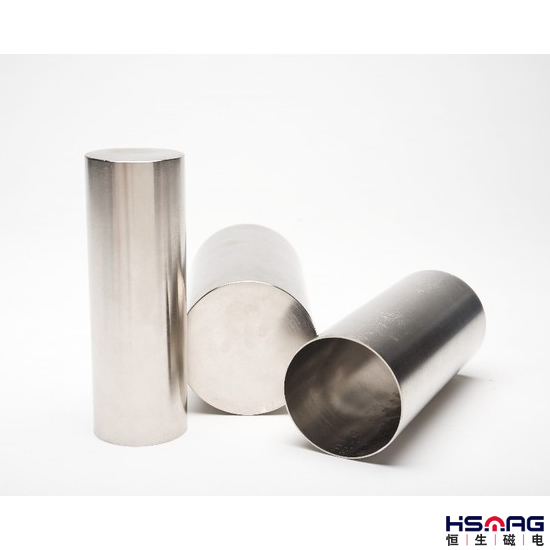
neodymium magnet
What is Magnetic Shielding?
Magnetic shielding redirects and weakens magnetic fields to safeguard delicate devices. High magnetic permeability materials are used because they minimize interference by drawing in and rerouting magnetic field lines. Shielding, however, confines or reroutes magnetic fields rather than eliminating them.
Why is Magnetic Shielding Necessary?
Magnetic shielding is essential because it can:
Guard delicate equipment against outside magnetic fields that could skew signals or harm parts.
Boost efficiency in high-precision applications such as navigation systems or medical imaging.
Basics of Shielding Effectiveness
The kind of material, its thickness, and the shielding enclosure’s shape are crucial elements that affect how efficient magnetic shielding is. Mu-metal and other materials with high magnetic permeability are very good at rerouting magnetic fields. However, the frequency and intensity of the field can affect how well they perform.
Another important factor is the shielding’s location and form. Compared to flat or angular geometries, rounded or seamless enclosures are superior at preventing magnetic field leakage. Furthermore, the shielding material’s resistance to greater magnetic fields is determined by its thickness. When the material can no longer efficiently reroute more field lines, saturation is more challenging to achieve with thicker materials.
Misconception: Magnetic shielding does not eradicate magnetic fields – instead, it attenuates or redirects them, thus decreasing their effect on sensitive regions. Recognizing this distinction will enable reasonable expectations when selecting or creating shielding solutions.
Basics of Shielding Effectiveness
Types of Magnetic Shielding Materials
Magnetic shielding materials are essential for managing magnetic interference in sensitive environments, providing crucial protection from harmful magnetic interference. Materials chosen based on their ability to redirect magnetic fields based on their magnetic permeability, saturation point, and environmental stability properties should be carefully considered as they could make all the difference in smooth operation versus costly disruptions. Understanding available materials helps tailor shielding solutions specifically tailored to particular applications.
Standard Materials for Magnetic Shielding
Mu-Metal
Mu-metal, or nickel-iron alloy with very high magnetic permeability, is widely recognized as one of the most efficient shielding materials, often employed in MRI machines, scientific instruments, and other precision applications requiring magnetic shielding. However, mechanical stress may reduce its efficacy over time.
Ferrites
Ferrites are ceramic-based materials with low electrical conductivity, perfect for electromagnetic interference (EMI) control at higher frequencies. They are popular in electronics like Wi-Fi routers and smartphones.
Permalloy
Another nickel-iron alloy, Permalloy, is frequently utilized for electromagnetic compatibility applications in transformers, telecom systems, and magnetic sensors due to its balance of cost-efficiency and performance – making it one of the preferred choices among industrial users.
Advanced and Emerging Materials
Amumetal and Specialty Alloys
Amumetal alloys have been developed for applications requiring high field strengths. These materials offer outstanding performance in industries like aerospace and defense.
Nanomaterials and Composites
Emerging technologies have revealed lightweight yet highly efficient nanomaterials and composites; these materials are well suited to automotive and portable electronics products where weight and efficiency are of primary concern.
neodymium magnet
Comparative Analysis of Materials
Material
Magnetic Permeability
Applications
Cost
Mu-Metal
Very High
Medical imaging, scientific tools
High
Ferrites
Moderate
Electronics, high-frequency devices
Moderate
Permalloy
High
Transformers, communication systems
Moderate
Low Carbon Steel
Low
Industrial machinery
Low
Nanomaterials
Varies (High Potential)
Aerospace, advanced electronics
High (Emerging)
Real-World Applications
From enhancing the functionality of common consumer electronics to safeguarding medical devices, magnetic shielding materials are indispensable in a wide range of sectors and applications. Their numerous applications show how diverse and essential they are to contemporary technology.
Communication and Electronics
Magnetic shielding protects sensitive parts like transformers, microchips, and sensors from electromagnetic interference, which extends their lifespan and reliability while preventing damage to consumer electronics like tablets, laptops, and smartphones.
Shielding ensures signal integrity by preventing interruptions to internet connections and mobile networks.
Healthcare Applications
Magnetic shielding is necessary for medical diagnostic equipment to be accurate and effective. For example, magnetic resonance imaging devices use powerful magnetic fields that must be free from external interference to provide clear imaging images. Shielding prevents the powerful electromagnetic fields these machines produce from affecting adjacent equipment.
Aerospace and Automotive Industries
Shielded navigation systems and communication devices are essential for space applications because they insulate them from external magnetic fields that could impair accuracy. In autonomous cars, where sophisticated sensors and computers must function continuously, shielding is especially essential.
Electric vehicle (EV) manufacturers use shielded battery management systems to lower electromagnetic interference and improve safety and efficiency.
Industrial and Defense Applications.
Heavy equipment and power systems are shielded from magnetic interference to guarantee continuous functioning in industrial environments. At the same time, shielding is crucial for military applications that protect radar equipment, electromagnetic warfare systems, and communications.
Specialty alloys and other high-performing solutions are crucial for shielding materials since they must endure severe environments.
Designing Magnetic Shielding Solutions
Effective magnetic shielding solutions necessitate a well-informed, strategic approach that considers material qualities, enclosure geometry, and application specificities to maximize shielding efficiency while reducing costs and material usage. Properly designed shields can lower material consumption costs and significantly increase shielding efficiency.
Effective magnetic shielding solutions necessitate a well-informed, strategic approach that takes into account material qualities, enclosure geometry, and application specificities to maximize shielding efficiency while reducing costs and material usage. Properly designed shields can lower material consumption costs and significantly increase shielding efficiency.
Geometry and Material Placement
The shape and location of shielding materials are crucial. Enclosures with seamless shapes or rounded corners offer superior control over magnetic field leakage and more efficient field line redirection. Additionally, it is essential to carefully position shielding close to locations susceptible to interference, such as CPUs and sensors on electrical devices.
Layering and Hybrid Solutions
Layering multiple materials enhances shielding effectiveness by targeting different frequencies and field strengths. For instance, layering mu-metal for low-frequency shielding with ferrites for high-frequency interference protection provides comprehensive coverage. Hybrid solutions may prove especially valuable where one material cannot meet all performance criteria. Layering allows designers to balance cost with efficiency by including less costly materials in less critical areas of design.
Testing and Optimization
For optimal shielding design performance, thorough testing is an absolute necessity. Devices like magnetic flux sensors and simulation software accurately evaluate shielding effectiveness under real-world conditions. Such tests help identify weak points in your design so adjustments may be made to enhance it. This might involve increasing material thicknesses or changing enclosure shapes. Optimizing may involve tweaking material thickness or combinations based on what works.
Challenges and Limitations
Magnetic shielding plays an essential role, yet implementation poses numerous difficulties for engineers and designers. They must negotiate material limitations, environmental concerns, and cost considerations while developing effective solutions. Acknowledging these hurdles is the key to making informed decisions and devising efficient shielding strategies.
Material Saturation and Limits
Magnetic shielding materials often reach their magnetic capacity when shielding environments with strong magnetic fields. They can no longer redirect additional magnetic field lines effectively, significantly diminishing their shielding effectiveness and ultimately impacting performance. When this happens, shielding performance drops dramatically, reducing performance in such environments as hospitals.
Mu-metal and similar high-performance materials were originally intended to handle moderate environments; however, extreme conditions may necessitate additional materials or solutions.
Environmental Factors
To remain effective shields for heavy-duty applications, shielding materials must meet various environmental challenges such as corrosion, temperature variations, and mechanical strain. Low-carbon steel tends to rust easily in humid environments, while materials like ferrites may resist wear better but lack the strength required by heavy-duty applications.
Selecting an optimal material requires striking a balance between performance and environmental requirements for an application.
Cost/Benefit Considerations
Mu-metal and advanced composite shielding materials may be costly solutions for large-scale shielding needs, and industries with tight budget constraints may opt for less effective but cheaper materials, like low-carbon steel.
Balance cost with shielding performance often requires creative design strategies, like layering or hybrid solutions, to optimize efficiency while keeping expenses within reasonable bounds.
Future of Magnetic Shielding Materials
Magnetic shielding technology continues to advance with advancements in materials and technologies driving innovation. Industries require increasingly efficient, lightweight, and eco-friendly solutions; researchers are exploring cutting-edge approaches to meet this demand; ultimately, the future of magnetic shielding lies within its ability to push performance, adaptability, and environmental responsibility boundaries further than ever.
Nanotechnology and New Alloys
Nanotechnology has opened up exciting prospects for ultrathin and lightweight shielding materials. Through molecular manipulation of materials, researchers can engineer nanostructures with superior magnetic permeability and efficiency that offer unparalleled magnetic shielding properties for applications within aerospace where weight reduction is critical. These materials are also handy during combat missions where weight reduction becomes vital.
New alloys are designed to withstand higher magnetic field strengths without becoming saturated, creating a more reliable performance in challenging environments like defense and industrial settings.
Integration with AI and Automation systems
Artificial Intelligence (AI) and automation have revolutionized the design and testing of magnetic shielding solutions. AI algorithms can simulate complex magnetic field interactions to optimize material placement while shortening prototyping timeframes; furthermore, automation ensures precision manufacturing that ensures consistent quality shielding materials.
These advances improve performance while decreasing production costs, making advanced shielding accessible across multiple industries.
Eco-Friendly Solutions
As environmental sustainability continues to become an international goal, researchers are considering designing eco-friendly shielding materials and manufacturing practices to minimize their environmental footprint without compromising performance. Such initiatives include biodegradable composites and decreasing dependence on rare-earth metals that require expensive mining processes for extraction. Manufacturing practices that follow sustainable principles aim to decrease impact without impactful performance loss from shielding solutions.
Summing It Up
From consumer electronics to aerospace systems, magnetic shielding materials are essential for safeguarding fragile machinery and facilitating the smooth operation of modern-day technology. Engineers, designers, and decision-makers must understand their characteristics, difficulties, and innovations.
Innovations like nanotechnology and environmentally friendly materials are transforming magnetic shielding systems in response to the growing demand for effective and sustainable shielding solutions. By using these advancements, industries may overcome present challenges and prepare for an increasingly technologically advanced future.
Purchasing magnetic shielding materials will guarantee the smooth operation of critical functions, increase dependability, and open the door for revolutionary developments. The first step to success and assurance is knowing your shielding needs, whether for industrial machinery designs, medical equipment, or automotive systems.
Bonded NdFeB Magnets and Assemblies
Sintered NdFeB Magnets and Assemblies
Strong NdFeB Magnetic Lifter PML3000A
Powerful Magnetic Lifter PML2000A
New Product 13000Gs Magnetic Rods!
Sintered NdFeB Magnetic Mounting Hook Ø48 mm